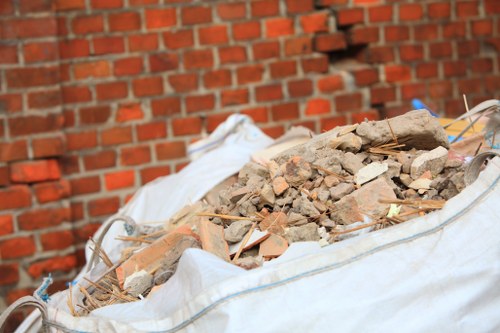
Health & Safety Policy — Commercial Waste Thames Ditton
Our company is committed to providing safe, reliable commercial waste and rubbish services to clients across our service area. This policy sets out clear responsibilities, controls and standards that apply to all staff, contractors and visitors involved in commercial waste collection, commercial rubbish removal and related operations. The aim is to prevent injury, ill health and environmental harm while delivering efficient waste services.Policy Statement
We recognise our legal and moral duty to maintain a safe working environment. Health and safety considerations are integral to every job we undertake — from temporary rubbish collection stops to long-term waste management contracts. We will actively manage risks, maintain safe plant and vehicles, and ensure staff are competent to perform their roles. Prevention of accidents and continuous improvement in safety performance are core commitments.
Scope and Application
This policy covers all aspects of our commercial waste operations, including containerised collections, on-site refuse handling, recycling separation, hazardous waste segregation and transfer of materials to depots. It applies to our drivers, loaders, supervisors, maintenance teams and any third-party contractors engaged to support rubbish collection, waste transfer or disposal services.Responsibilities are defined at all levels. Management will provide leadership, allocate resources and ensure compliance with policy. Supervisors must implement safe systems of work and monitor performance. Employees are required to follow procedures, report hazards and use provided protective equipment. Everyone has a duty to co-operate and challenge unsafe practices.
Risk assessment is mandatory for routine and non-routine tasks. Before starting work, risks from manual handling, vehicle movement, lifting, sharps, chemical exposure and slips or trips must be identified and controlled. Controls include process redesign, use of mechanical aids, segregation of waste streams and appropriate personal protective equipment (PPE).
 Training and competence form a cornerstone of our approach. Staff receive induction training, periodic refresher courses and task-specific instruction for safe operation of compactors, skips, balers and hook-lift vehicles. Records of qualifications, license checks and toolbox briefings are maintained to ensure safe rubbish company operation and regulatory compliance.
Vehicle and plant safety: All service vehicles are subject to daily walkaround checks, scheduled maintenance and load security inspections. Drivers must adhere to safe driving standards, route planning that minimises reversing and low-speed manoeuvres, and the use of seatbelts and in-cab controls. Maintenance personnel follow lock-off and isolation procedures for machinery to prevent unintended movement.
Control of hazardous substances (COSHH) and environmental protection: Where staff are exposed to hazardous materials — such as solvents, oils, or contaminated waste — assessments will determine suitable controls. Spill kits, containment measures and appropriate waste disposal routes are in place to protect workers and the environment. The company will ensure correct labelling and storage of chemicals.
Manual handling: Safe lifting techniques are reinforced, and mechanical aids are provided for heavy or awkward loads. Team lifts, trolleys and hoists are used where practicable to reduce the incidence of musculoskeletal injury. Reporting of pain or discomfort at the earliest stage is encouraged so that adjustments can be made.
Fire safety and emergency procedures are maintained across depots and office facilities. Emergency exits, assembly points and firefighting equipment are routinely checked, and staff are familiarised with evacuation plans. First aid provision and qualified first-aiders are accessible during operational hours.
Contractor and visitor management: Contractors carrying out site works on our behalf are selected on competency and safety performance. Contractors must comply with company safety rules and provide evidence of their policies and insurances. Visitors to operational areas are escorted and briefed on hazards related to rubbish collection, waste transfer operations and plant movement.
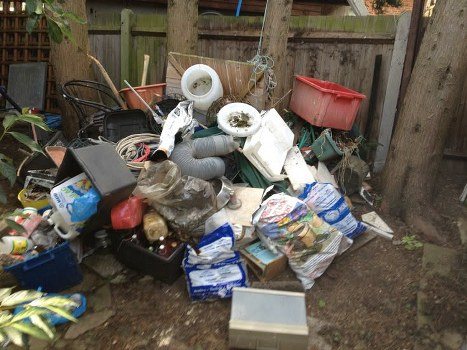 Incident reporting, investigation and continuous improvement: All accidents, near-misses and dangerous occurrences must be reported promptly. Investigations identify root causes and appropriate corrective actions. Lessons learned are communicated across the business to prevent recurrence and support continual improvement in safety practices.
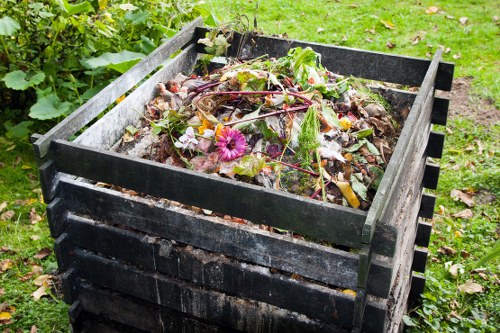 Monitoring, audit and review: Performance indicators, site inspections and safety audits are used to measure effectiveness. Regular management reviews ensure the policy remains relevant to changes in operations, legislation and technology. Non-conformances are dealt with via corrective action plans and follow-up checks.
Key safety measures include:
- Regular risk assessments for all waste handling tasks
- Mandatory PPE for operational staff (gloves, hi-vis, steel-toe boots)
- Competency checks for vehicle drivers and plant operators
- Safe segregation and handling of hazardous and infectious waste
- Routine vehicle checks and maintenance schedules
This policy applies throughout our service area and to all activities associated with commercial waste, rubbish collection and waste services. It will be reviewed at least annually or as required by changes in legislation, significant incidents or operational developments. Commitment to a safe workplace is non-negotiable — we expect all staff and partners to uphold these standards and contribute to a strong safety culture.
