Commercial Waste Thames Ditton — Pricing & Quotes
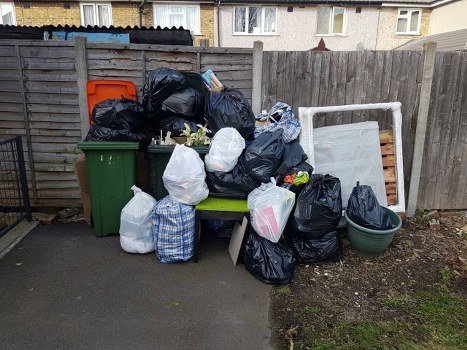 Commercial Waste Thames Ditton removal tailored for local businesses, landlords and property managers. We publish a transparent pricing model so you can compare rubbish company prices in the area and understand the man and van cost Thames Ditton options. Whether you're clearing a shop on the High Street, a riverside flat renovation, or an office strip-out near the station, this page explains how we price jobs, shows example estimates, and describes our free quote policy.
We know how important clarity is: our rates are presented as either load-based fares or cubic-yard (or cubic-metre) pricing depending on the job. The load-based approach is ideal for man and van style collections and smaller commercial clearances, whereas cubic-yard rates suit predictable, measured loads for large retail or light industrial sites.
 Below you’ll find a breakdown of typical charges you can expect from a professional rubbish company in Thames Ditton. We aim to show practical examples tied to local property styles — think Victorian terraced cafés, modern riverside apartments, and small office suites on the High Street — so estimates feel realistic for your location.
How our pricing works
We operate a two-track pricing system: load-based and volume-based. Load-based pricing is quoted for jobs that fit into a van or a fixed load unit, commonly used by a man-and-van team. Volume-based pricing uses cubic yards (or cubic metres) for larger commercial waste consignments where pinch points and containers are involved.
Typical man-and-van rates include the vehicle, driver, and basic labour. These are competitive for single-day clearances or multi-drop runs around Thames Ditton’s busy spots, such as near the river walk or the high street cluster. For larger jobs we price by volume: for example, 1 cubic yard covers loose mixed waste roughly equivalent to a small kitchen bin’s worth times 40.
 All prices are inclusive of disposal fees, fuel, and standard sorting at our permitted facilities unless otherwise noted. We itemise each quote so you can see what you are being charged for: labour time, vehicle type, disposal cost, and any additional services like hazardous item handling or container hire.
Load-based vs cubic-yard rates — which suits your job?
Load-based (man and van) — Best for small-to-medium commercial jobs: shop clearances, café equipment removals, small shopfitting strip-outs, and single-floor office clearances. The advantage here is predictability for spaces commonly found in Thames Ditton: narrow Victorian shopfronts, compact back-of-house storage areas, and terraced property conversions.
Volume-based (cubic-yard) — Best for larger clearances: multi-room office strip-outs, restaurant kitchen refits, and light industrial tidies. For landlords managing multiple flats in converted period buildings near the river, cubic-yard pricing gives a fair per-volume cost and is more efficient for bulk transfer to licensed disposal sites.
We also provide hybrid quotes. For example, if a site requires both a man-and-van small-item clear and a skip or container for bulk waste, we’ll combine load-based and cubic-yard charges into a single clear estimate so you can compare alternatives easily.
Example jobs and indicative prices (local context):
1. Single-room office clear-out (High Street office suite) — Typical man-and-van job: desks, chairs, light partition material. Indicative load-based cost: a small van load from a Thames Ditton office tends to fall into the lower band of man-and-van fees due to quick access and short disposal distance.
2. Café kitchen refit (Victorian premises) — Mix of heavy equipment and bulky packaging: here we might quote by cubic yards plus an additional uplift for heavy items. This mirrors common scenarios in our area where kitchen units and appliances need special handling.
3. Riverside flat renovation waste — Plasterboard, flooring, and old cabinetry often require measured volume pricing since multiple loads and floor access constraints are typical for riverside properties in Thames Ditton. We’ll include porterage time in the quote for upper-floor removals.
Below is a short list of services that affect pricing — each element will be shown on your estimate:
- Vehicle type (man-and-van, Luton, or multi-tonne vehicle)
- Labour time (number of operatives and hours)
- Disposal & recycling costs (itemised)
- Special handling (asbestos, WEEE, bulky metals)
- Access or parking complications (narrow streets, permits)
 Free quotes policy: we provide no-obligation, free quotes for commercial waste jobs across Thames Ditton. Choose an on-site inspection or opt for a quick photo-based estimate where you send pictures of the waste and access points. Our quotes are valid for a set period and will specify whether the price is load-based or cubic-yard to match your preferences.
We emphasise transparency: every estimate includes a clear line for disposal tariff plus labour and vehicle costs. If extra work is required (unforeseen hazardous materials or significant access delays), we will discuss options before proceeding and provide an updated quote so there are no surprises.
 Booking and scheduling choices are flexible to suit busy local businesses — early-morning collections for High Street traders, evening strip-outs after trading hours, or staged clearances for multi-unit developments. Each option is priced so you can weigh convenience against cost.
To summarise: our approach to rubbish company prices in the Thames Ditton area aims to be fair, clearly itemised, and adaptable. Whether you need a quick man-and-van clearance or a measured cubic-yard removal for a larger commercial project, we provide free, no-obligation quotes and a transparent breakdown of charges so you can budget with confidence.
Next steps: request a free quote, choose the pricing model that suits your job, and receive an itemised estimate showing load or volume rates, labour, and disposal costs. Our transparent pricing helps you control waste costs while keeping operations moving smoothly.
Commercial Waste Thames Ditton pricing is designed to reflect local realities — narrow streets, period property constraints, and the varied commercial mix — so you get a competitive and realistic estimate every time.
