
Recycling and Sustainability — Commercial Waste Thames Ditton
Commercial Waste Thames Ditton is committed to creating an eco-friendly waste disposal area that supports local businesses, protects the river corridor and contributes to borough-wide targets. Our approach balances practical commercial rubbish solutions with progressive sustainability measures. We work with local authorities, transfer stations and community partners to ensure materials collected from offices, shops and light industry are diverted from landfill and re-enter the circular economy.
 The key objective for our service is clear: achieve a recycling percentage target of 70% for commercial waste in Thames Ditton by 2030. That target reflects both operational improvements — better segregation at source, increased capacity for organics and dry recycling — and behaviour change among businesses. In close coordination with neighbouring boroughs, including Elmbridge and the Royal Borough of Kingston upon Thames, we align collections with municipal systems to reduce contamination and maximise recovery.
Our
eco-friendly waste disposal area
model focuses on low-impact operations and efficient material flows. Local transfer stations in nearby Walton-on-Thames and Tolworth act as short-haul hubs where commercial loads are consolidated and routed to materials recovery facilities (MRFs) or composting sites. These transfer points reduce road miles and speed up processing, helping meet the low-carbon ambitions of the area.We maintain active partnerships with charities and social enterprises so usable items from commercial clearances are diverted to reuse rather than recycled or landfilled. Furniture, office equipment and working electricals are frequently passed to national and local partners — such as reuse charities and community projects — for refurbishment and resale or direct support to local people in need. This reuse-first pathway reduces embodied carbon and supports a healthier local economy.
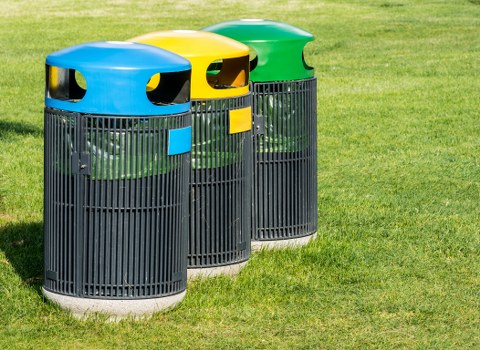
 Services designed for Thames Ditton businesses include dedicated segregated collections, secure paper and data shredding, food-waste collection for commercial kitchens, and separate streams for glass, plastics, metal and cardboard. Our operations respect the boroughs' approach to waste separation: many local authorities have introduced separate food waste collections and clear dry recyclables sorting to reduce contamination and improve recovery rates.
To support these services we operate a modern, low-emission fleet. Our low-carbon vans include battery-electric vehicles for short-radius routes, plug-in hybrids for flexible urban deliveries and Euro-6 low-emission diesel vehicles where necessary. Charging infrastructure and route optimisation software reduce idling and fuel use so that your Thames Ditton commercial waste collections generate minimal transport emissions.
Practical recycling activities common across the area include: small-scale commercial food waste collections for anaerobic digestion or in-vessel composting; cardboard and paper baling at transfer stations; glass brought to bottle-bank style containers; and segregation of mixed construction waste for recovery. These activities reflect both local business needs and borough recycling strategies designed to increase yield and lower contamination.
- Segregated dry recycling (paper, cardboard, cans, rigid plastics)
- Food and organic collections for catering and hospitality operations
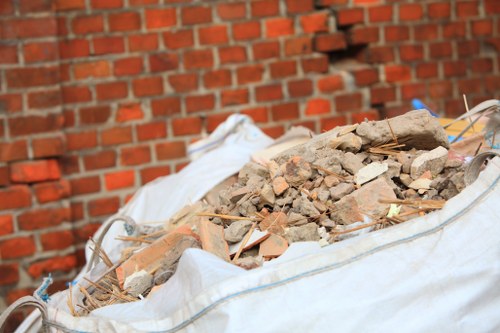
- Construction & demolition recovery and inert recycling
- Secure confidential shredding and recycling of office paper
- Reuse & charity partnership streams for furniture and electricals
Measuring progress is essential. We publish regular tonnage and diversion figures for commercial routes so customers understand how collections contribute to the community-wide recycling percentage target. Waste audits and data-led route planning allow us to identify contamination hotspots and tailor segregation training to high-volume premises, while never straying into prescriptive manuals or how-to guides.
Local transfer stations and materials recovery
play a pivotal role for Thames Ditton commercial rubbish. Consolidated loads from multiple businesses arrive at transfer hubs and are bulked for onward transport to specialist facilities — MRFs for dry recyclables, AD plants or in-vessel composters for organics, and licensed recycling yards for metals and timber. This concentrated flow improves processing efficiency and increases the proportion of material recovered.We also support a circular economy approach through partnerships with reuse charities, social enterprises and refurbishers. By prioritising repair and reuse where items are still serviceable, the overall carbon footprint of commercial waste disposal in Thames Ditton falls — an outcome that complements borough-level ambitions to cut waste and carbon across both residential and commercial sectors.
 Business-facing interventions include bespoke waste-needs assessments, customised collection frequencies and the provision of appropriate containers to reduce contamination. We do not provide prescriptive guides, but we do offer practical support and training sessions that demonstrate separation options and the environmental rationale for diverting materials from landfill.
Community benefits extend beyond carbon savings. Revenues from recycled materials and donated items help fund local charity programmes and social enterprises, while partnerships with national charities increase reuse capacity. This dual approach — reuse first, then recycling — strengthens the social fabric of Thames Ditton as much as it improves environmental performance.
 In conclusion, the Thames Ditton approach to commercial waste blends operational efficiency, local transfer station networks, charity partnerships and a low-carbon fleet to create a genuine sustainable rubbish area. By working together with businesses and borough partners we aim to meet our 70% recycling percentage target and continually reduce the environmental footprint of Thames Ditton commercial waste collections.
